Quiet Zone Slots: Where Are They Located?
Quiet zone slots are not a game type but a floor-plan designation—specific banks of machines placed in low-traffic, acoustically dampened areas of a casino floor, typically far from the main cage, table game pits, and live entertainment stages. If you can't find them in the first ninety seconds of walking a property, you're already reading the room wrong. 😤
The Physical Mechanics of a Quiet Zone
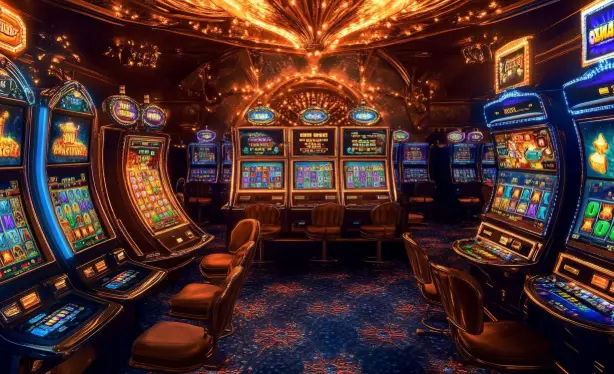
Operators don't waste square footage on silence out of kindness. A true quiet zone sits at the outer perimeter of the gaming floor, usually behind a secondary entrance or adjacent to the hotel elevator lobby. The slot bank is deliberately limited to 12–40 machines, spaced wider than the standard 28-inch aisle, with carpeted underlay that kills the coin-tray clatter and the button-mash percussion that drives high-limit players insane. You'll spot them by the soft ambient lighting and the absence of progressive jackpot toppers screaming at 90 decibels.

Why the Core Locations Cluster at the Margins
Follow the surveillance coverage map in your head. Quiet zone slots cluster where camera density is still total but foot traffic collapses—corridors linking the parking garage to the cage, the dead-end rows behind the sportsbook, and the transition strip between the buffet queue and the cashier. 🌙 These are the spots where a grinder can camp for six hours without a cocktail server bumping their chair every four minutes. The math is brutal and simple: casinos bury the low-hold, high-comfort inventory where it costs them the least in prime real estate.
Reading the Signage and the Slot Floor Map
Every property publishes a slot floor map at the player services desk, and the quiet zones are always the unlabeled white space on the perimeter. Study the layout before you insert a single bill. On the map, look for machine banks separated by a corridor gap or a restroom block—that buffer is your tell. 🎯 The quiet zone slots are the machines nobody photographs, the ones with the worn armrests and the ashtrays that actually get emptied, because the regulars who live there know exactly what they've found.

The High-Limit and VIP Overlap
Here's the insider angle most players miss: the quietest banks on the floor are often the high-limit slot salons, tucked behind a frosted glass door with a card reader. Those rooms are technically quiet zones by design—isolated, acoustically sealed, and staffed by a single attendant who materializes when you press the service button. If you can clear the minimum, this is where the real slot inventory lives, including the older three-reel units with published pay tables that the main floor retired years ago.
What the Audio and Lighting Tell You
Walk the perimeter and listen. A genuine quiet zone has a measurable drop in ambient noise—no jackpot sirens, no coin hopper rattle, just the low hum of the cabinet fans and the occasional chime of a line hit. The lighting runs warmer and dimmer, often on a separate circuit from the main floor's strobe-heavy ceiling grid. If the carpet pattern changes and the aisle widens, you've crossed the threshold. That's the signal, and it beats any floor map every single time.